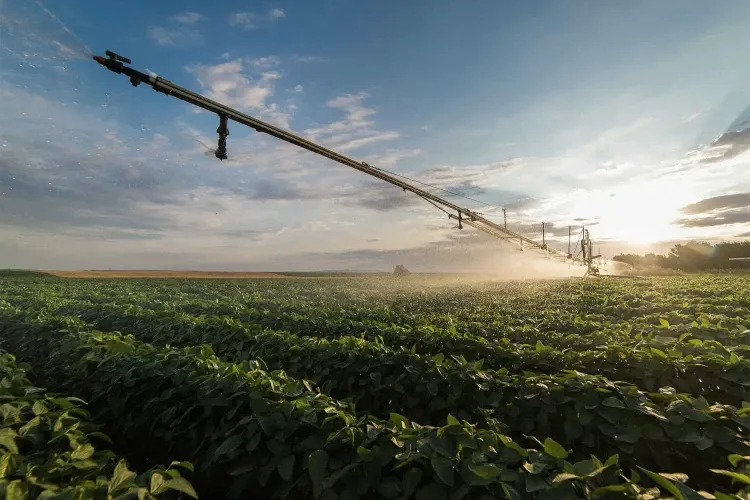
Boosting Plant Growth & Sustainable Farming with Nanobubble Technology in Irrigation Water
Nanobubble technology is transforming irrigation water management by improving water quality, enhancing plant growth, boosting nutrient absorption and reducing disease risks. Thanks to their nanoscopic size, high surface area, strong oxidative properties and long retention time in water, nanobubble water treatment provides an exceptionally efficient way to deliver oxygen and other beneficial gases directly to plant roots and soil ecosystems.
Today, as sustainable agriculture and water conservation practices become critical, nanobubble systems offer an innovative, eco-friendly and cost-effective solution. It enables farmers to maximize crop yields while reducing water usage, fertilizer dependence and environmental footprint which makes it a valuable tool for modern, regenerative farming. Nanobubbles (50-200 nm) deliver up to 90% oxygen transfer efficiency and remain stable in irrigation systems for weeks, unlike conventional aeration.
Here are the key applications of nanobubble technology in irrigation water:
1. Increasing Oxygen Levels in Irrigation Water
- Enhancing Root Oxygenation: Oxygen nanobubbles dramatically increase dissolved oxygen (DO) levels in irrigation water, ensuring better oxygen availability at the root zone. This fosters stronger root structures, improves plant resilience, and leads to healthier growth.
- Reducing Hypoxia (Low Oxygen Stress): In poorly drained or waterlogged soils, nanobubbles supply a continuous stream of oxygen, mitigating root diseases like root rot and promoting healthy aerobic conditions crucial for plant survival.
2. Improving Plant Growth and Yield
- Accelerating Germination and Root Development: Higher oxygen availability promotes faster seed germination and stronger root systems, leading to improved crop yields.
- Enhancing Photosynthesis Efficiency: Oxygen nanobubbles improve oxygen availability for photosynthesis processes, resulting in faster growth cycles, higher biomass production, and better crop quality across a wide variety of plants.
3. Increasing Nutrient Uptake and Soil Health
- Improving Nutrient Absorption: Oxygen-rich nano oxygen systems enhance nutrient solubility in water, making essential minerals like nitrogen, phosphorus, and potassium more bioavailable to plants.
- Supporting Beneficial Microorganisms: Nanobubbles create a favorable environment for aerobic soil microbes, which contribute to nutrient cycling and soil health.
- Preventing Soil Compaction: By aerating the soil, nanobubbles improve soil structure, reducing compaction and enhancing root penetration.
4. Controlling Harmful Pathogens and Disease Prevention
- Suppressing Root Diseases: Continuous oxygenation of the root zone deters anaerobic pathogens such as Pythium, Phytophthora, and Fusarium, significantly reducing the need for chemical fungicides.
- Reducing Harmful Bacteria and Algae Growth: Ozone nanobubbles naturally disinfect irrigation water, breaking down harmful bacteria, viruses, fungi and algae without leaving toxic residues, thus protecting both crops and soil health.
5. Reducing Water and Fertilizer Consumption
- Optimizing Water Usage: Nanobubble-enriched water improves water infiltration into the soil, reducing runoff and increasing irrigation efficiency.
- Enhancing Fertilizer Efficiency: By improving nutrient solubility and uptake, nanobubbles reduce the need for excessive fertilizer applications, lowering costs and environmental impact.
6. Preventing Drip Irrigation System Clogging
- Keeping Irrigation Pipes Clean: Nanobubbles help prevent biofilm buildup and mineral scaling inside irrigation pipes, reducing maintenance costs and ensuring consistent water flow.
- Minimizing Filter Blockage: Oxygen and ozone nanobubbles reduce sediment accumulation and microbial growth in filtration systems, improving overall irrigation efficiency.
7. Sustainable and Eco-Friendly Irrigation Practices
- Reducing Chemical Dependency: Nanobubble technology provides a chemical-free way to enhance water quality and control pathogens, reducing reliance on pesticides and disinfectants.
- Minimizing Environmental Impact: Improved water and nutrient efficiency leads to reduced wastewater discharge and lower pollution levels in agricultural runoff.
Nanobubble water treatment technology is reshaping the future of sustainable agriculture by offering an eco-friendly, efficient and cost-effective solution for irrigation water management. With the growing challenges of water scarcity, soil degradation, and food security, integrating nanobubble systems into irrigation practices can help farmers produce healthier crops, improve resource efficiency and support long-term environmental stewardship. As innovation in agricultural technology continues, nanobubble generation systems are set to play a vital role in building a more resilient and productive global farming industry.
Ready to experience the power of nanobubble technology for your business?
Get in touch with our expert team to learn more about Nanoveld’s advanced nanobubble systems and how they can transform your water treatment solutions.
Contact Us Today and let’s build a more efficient, sustainable future together!