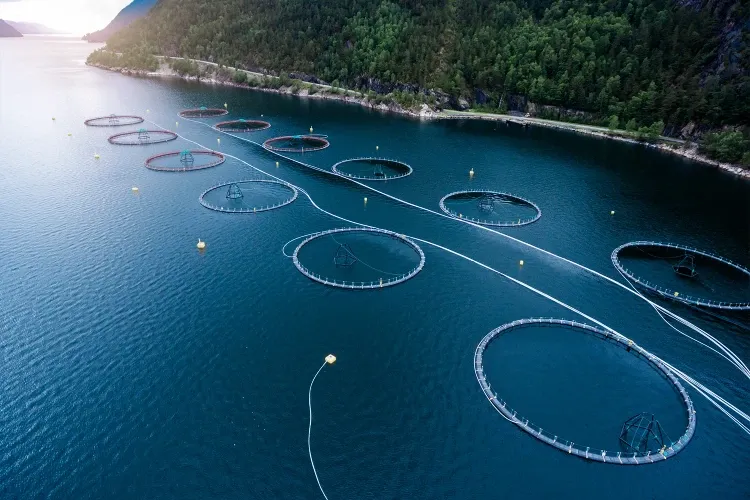
Applications of Nanobubble Technology in the Aquaculture Sector
Nanobubble technology is revolutionizing the aquaculture industry by enhancing water quality, increasing dissolved oxygen levels and minimizing disease risks.
According to the Grand View Research study, from 2025 to 2030, the global aquaculture industry is expected to grow at a Compound Annual Growth Rate (CAGR) of 5.1%, from its 2024 valuation of USD 310.6 billion. For this reason, using the nanobubble water treatment technology can be a strategic move for aquaculture businesses looking to capitalize on this significant growth. Nanobubble technology offers several advantages that align well with the industry's increasing focus on sustainability, efficiency, and fish health, potentially leading to higher yields and better resource management.
Unlike traditional aeration methods, nanobubbles remain suspended in water for extended periods, offering superior oxygen transfer efficiency, deeper oxygen penetration, and more effective interaction with aquatic ecosystems.
Nanobubble systems deliver both environmental and economic advantages, improving aquatic animal welfare, reducing chemical usage and lowering energy costs. As sustainable fish farming and eco-friendly aquaculture practices become more critical worldwide, nanobubble technology is emerging as a key innovation for next-generation water management in aquaculture.
Below are the main applications of nanobubble technology in the aquaculture sector:
1. Increasing Oxygen Levels
- More Effective Oxygenation in Fish and Shrimp Farms: Nanobubbles ensure uniform oxygen distribution, even in deeper or low-flow areas, significantly improving fish metabolism, feed conversion rates (FCR), and overall growth performance.
- Eliminating Hypoxia (Low Oxygen Levels): During warm seasons, when oxygen levels drop in fish farms, nanobubbles quickly restore balance and prevent mass fish mortality.
2. Improving Water Quality
- Ammonia and Nitrite Removal: By accelerating the nitrification process, oxygen-rich nanobubbles help convert toxic nitrogen compounds into less harmful forms, reducing the need for water exchange and chemical treatments.
- Controlling Algae Growth: Ozone nanobubbles help prevent excessive algae growth, improving water quality and preventing toxic algal blooms.
- Balancing pH and ORP (Oxidation-Reduction Potential): Nanobubbles help maintain a stable aquatic environment by regulating redox potential, creating ideal living conditions for farmed species and beneficial microbes.
3. Disease Prevention and Pathogen Control
- Eliminating Bacteria and Viruses: Nanobubble technology oxidizes harmful pathogens in water, reducing the risk of disease outbreaks.
- Reducing Fish Diseases: By controlling the proliferation of harmful microorganisms, nanobubbles minimize the need for antibiotics, promoting a more natural farming process.
- Preventing Biofilm Formation: Nanobubbles physically disrupt biofilms in tanks and pipes, lowering the risk of system fouling and secondary infections.
4. Reducing the Need for Frequent Water Changes
- Extending Clean Water Usage: Improved water parameters allow farmers to reuse water longer, reducing freshwater consumption and enhancing sustainable aquaculture practices.
- Enhancing Waste Management: They accelerate the breakdown of organic waste, increasing the self-cleaning capacity of water.
5. Increasing Efficiency in Recirculating Aquaculture Systems (RAS)
- More Efficient Oxygen Transfer in Closed Systems: In recirculating aquaculture systems (RAS), nanobubbles provide high oxygen transfer with lower energy consumption.
- Improving Filtration and Membrane Systems: They prevent clogging of filtration equipment, increasing the system’s efficiency.
6. Enhancing Harvesting and Transport Processes
- Reducing Stress in Fish and Shrimp: Nanobubble-rich water during transport helps maintain optimal oxygen levels, minimizing stress and improving survival during handling and shipment.
- Improving Live Fish Transport: Nanobubbles optimize oxygenation in transport tanks, keeping water clean for a longer period.
7. Controlled Cultivation of Algae and Aquatic Plants
- Enhancing Seaweed and Microalgae Production: Nanobubbles increase dissolved CO₂ and O₂ levels, promoting healthy microalgae and macroalgae cultivation for biofuel, feed, or pharmaceutical production.
- Optimizing Nutrient Cycling: They regulate dissolved gas balances in water, supporting the development of beneficial microorganisms.
Nanobubble technology in aquaculture is becoming a game-changer for the modern era. By enhancing water quality, promoting healthy growth, and reducing the need for chemicals and antibiotics, it supports sustainable, profitable and environmentally conscious farming. Its applications are rapidly expanding, offering solutions for both small-scale farms and large-scale commercial operations.
Ready to experience the power of nanobubble technology for your business?
Get in touch with our expert team to learn more about Nanoveld’s advanced nanobubble systems and how they can transform your water treatment solutions.
Contact Us Today and let’s build a more efficient, sustainable future together!